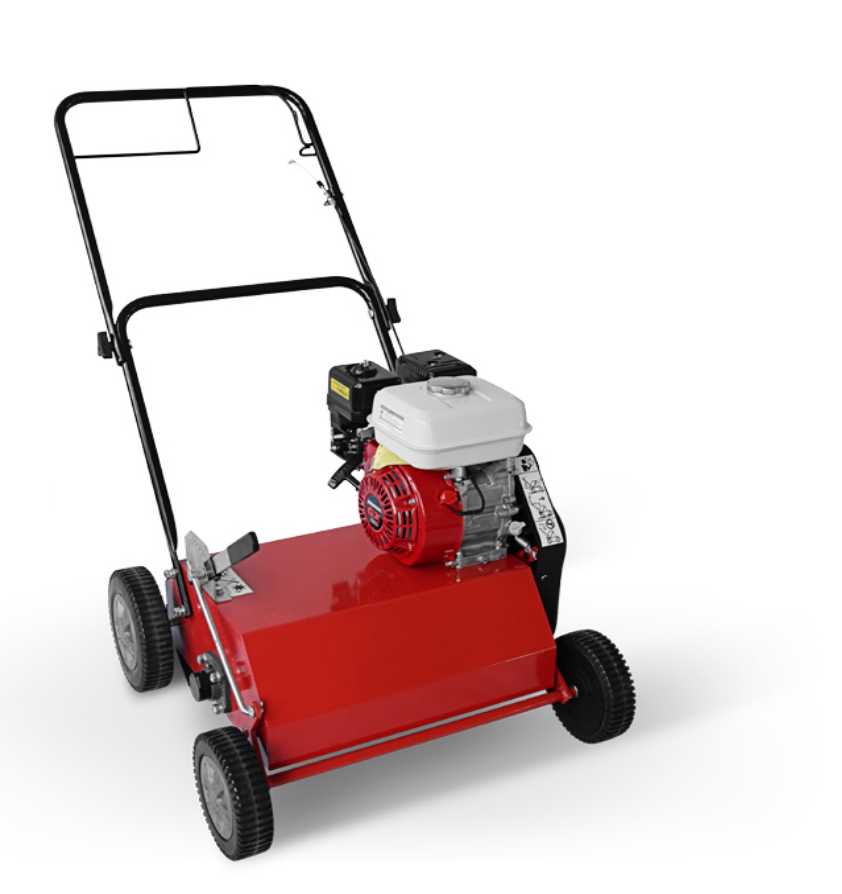
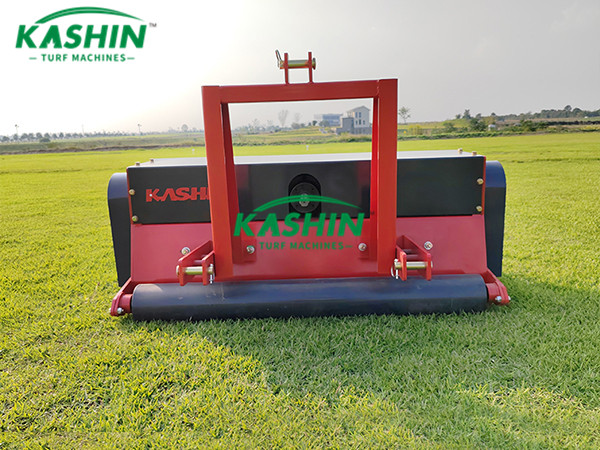
The Verti-Cutter is the core of the turf.
I. New Trends in Sports Field Maintenance for 2026: Shifting from “Surface Mowing” to “Root System Enhancement”
In recent years, standards for sports field turf maintenance in China have undergone a comprehensive upgrade, marking a definitive move away from the crude, “mow-only” approach that neglected root health.
An increasing number of venues have realized that issues such as yellowing, thinning, poor disease resistance, waterlogging after rain, and low traffic tolerance stem not from mowing practices, but from root zone compaction and the accumulation of thatch.
As major stadiums, sports complexes, and campus athletic fields launch turf root enhancement projects in 2026, the vertical cutter—the only professional machine capable of linear deep-root aeration, breaking up compaction, and removing thatch—has become an essential component of annual maintenance. It now ranks alongside top-dressers,and rakes as one of the four core pieces of equipment for sports field maintenance.
II. Industry Trends: Why Is the Procurement of Verti-Cutter Equipment Skyrocketing Year by Year?
1. Essential Need for Renovating Aging Facilities
Sports fields in operation for over five years commonly suffer from issues such as aging root systems, soil compaction, and excessive thatch accumulation. Simple fertilization and irrigation are no longer effective; vertical cutting (verti-cutting) is required to break up compacted soil and rejuvenate root systems, making it the optimal, cost-effective solution for improving the quality of older facilities.
2. Stricter Standards for Tournament Venue Inspections
Professional tournaments, youth leagues, and school competitions now demand higher standards regarding turf evenness, density, drainage, and overall health. Regular verti-cutting maintenance has become a standard performance metric for venues; facilities lacking proper root system maintenance struggle to pass official tournament inspections.
3. Significant Reduction in Turf Renovation Costs
In the past, fields required turf renovation every 2–3 years, incurring extremely high costs. Implementing standardized verti-cutting maintenance once or twice a year can effectively extend the turf’s lifespan by 3–5 years, drastically reducing overall operations and maintenance costs while offering exceptional value.
III. Industry Equipment Evolution: Rapid Phase-out of Subpar, Basic Root-Cutting Equipment
As standardized maintenance practices become widespread, low-cost, rudimentary root-cutting equipment—characterized by poor-quality blades and a lack of precision adjustment—is being rapidly phased out of the market due to issues such as turf damage, poor maintenance results, and high failure rates.
Customer priorities have shifted from seeking low prices to valuing equipment that protects the turf, delivers excellent results, offers long-term durability, and comes with comprehensive after-sales support; this shift is the key reason behind the sustained strong sales of Weifang Sichuang Machinery Equipment.
III. Industry Equipment Evolution: Rapid Phase-out of Subpar, Basic Root-Cutting Equipment
As standardized maintenance practices become widespread, low-cost, rudimentary root-cutting equipment—characterized by poor-quality blades and a lack of precision adjustment—is being rapidly phased out of the market due to issues such as turf damage, poor maintenance results, and high failure rates.
Customer priorities have shifted from seeking low prices to valuing equipment that protects the turf, delivers excellent results, offers long-term durability, and comes with comprehensive after-sales support; this shift is the key reason behind the sustained strong sales of Weifang Sichuang Machinery Equipment.